Dishwasher repair cases throughout Algonquin, IL show a repeat pattern. The machine rarely fails as a whole system. It fails in stages tied to flow control, heat regulation, and drainage sequencing. Across 2,500+ completed service cases, we have found that dishwasher faults are often misread at the surface level, leading to repeated breakdown cycles after temporary fixes instead of lasting repairs.

A dishwasher operates through a controlled sequence of water intake, pressure distribution, thermal activation, and final drainage logic. When any one stage becomes unstable, the system still completes a cycle, but cleaning quality drops, residue increases, or water remains inside.
Field diagnostics show that similar symptoms come from different internal faults. Weak cleaning performance can come from spray arm imbalance, pump pressure loss, or heating delay. Water left at the bottom is not always a drainage pump failure. In many service cases, partial hose restriction, float switch delay, or control board timing mismatch creates the same visible outcome.
This is why diagnosis starts with cycle behavior, not part inspection. The first step is identifying which stage breaks the sequence: intake, wash circulation, heating transition, or drain execution. Each stage has a different failure signature, and the repair direction changes completely depending on where performance begins to decline.

Dishwasher issues repeat in structured clusters rather than random faults. One cluster is incomplete cleaning with full cycle completion. This is commonly linked to reduced spray pressure or uneven thermal distribution. The root cause is often not detergent or loading style but circulation inefficiency within the pump and spray arm assembly.
Another cluster is standing water after cycle completion. In many cases, this is not full pump failure. It appears when drainage timing is interrupted by sensor miscommunication or partial hose obstruction that slows final discharge below normal operating levels.
A third cluster is residue or clouding on glassware. This usually connects to heat stabilization failure during the rinse phase. If water temperature does not reach a consistent activation range, detergent does not fully dissolve and residue remains. Each cluster points to a different internal failure path, even when the visible symptom appears the same.
Repair starts by observing cycle execution instead of opening components immediately. A complete cycle run reveals where performance deviation begins, and that point determines the repair direction.
If failure starts during intake, attention shifts to inlet flow and valve control. If it begins during the wash phase, pump performance and spray distribution are evaluated. If it appears during the heating transition, thermal regulation and sensor response are tested. If it occurs during the drain phase, the hose, pump output, and timing signals are assessed together.
Only the affected stage is opened for physical repair. This prevents unnecessary replacement of properly functioning components that are responding to an upstream failure.
When multiple issues exist together, such as partial spray restriction combined with delayed heating signals, repairs are completed in sequence. Flow stability is restored first, followed by thermal correction, helping ensure the dishwasher operates as intended.
Most dishwasher repairs fail long term because they treat symptoms as isolated defects. A pump is replaced when the real issue is flow restriction upstream. A heating element is replaced when the control signal is delayed. A drain pump is changed when the drain cycle is interrupted by sensor feedback error.
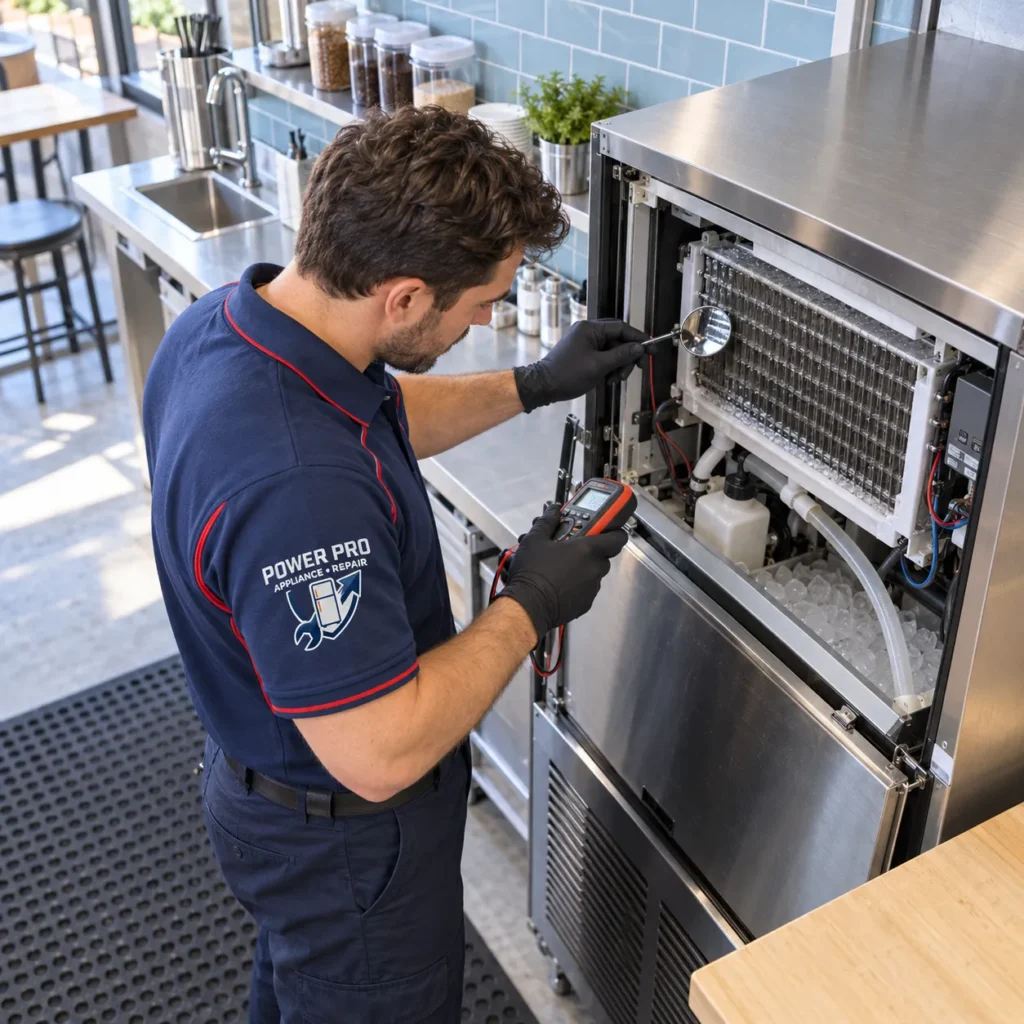
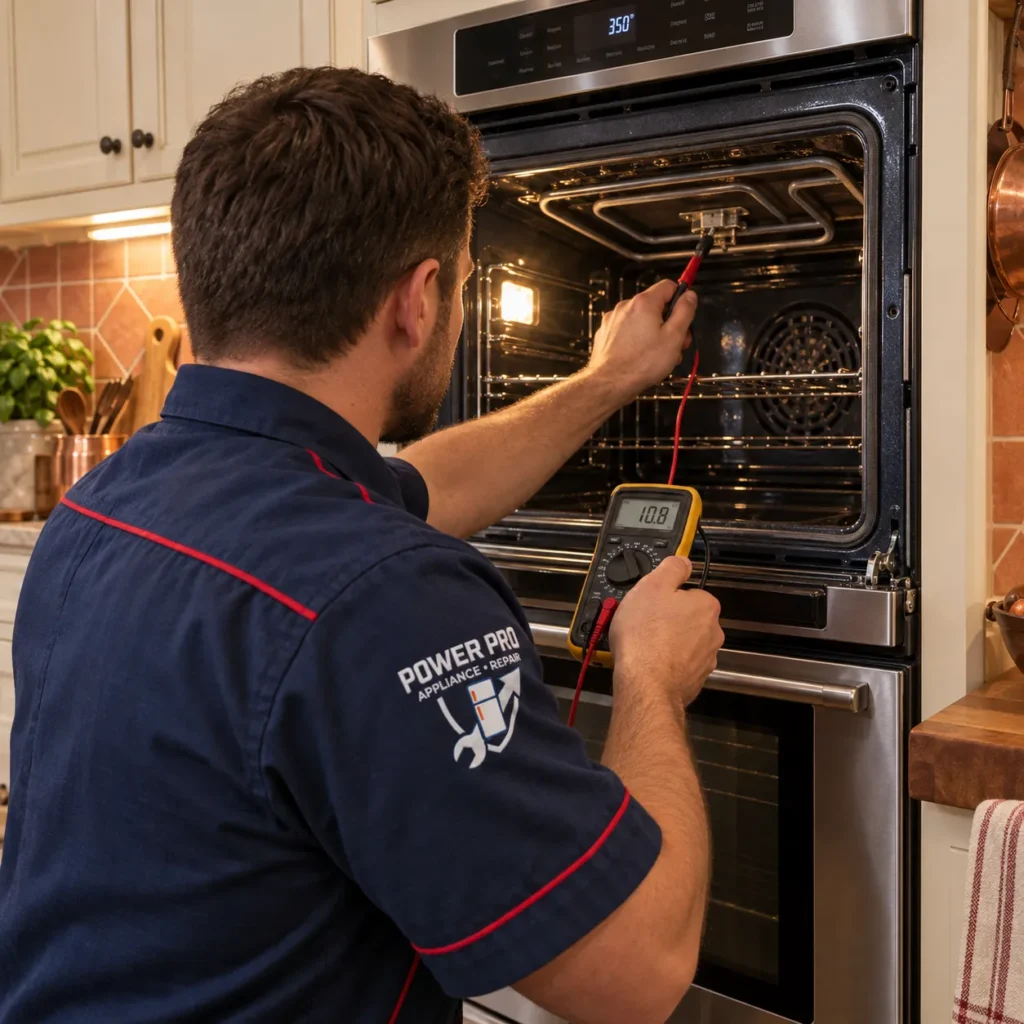
The diagnostic model at Power Pro Appliance Repair is based on system sequencing instead of part replacement logic. Every repair begins by mapping how the dishwasher executes its cycle in real time. The goal is to identify where performance deviation begins inside the cycle rather than responding only after failure becomes obvious. This approach helps homeowners in Algonquin, IL avoid recurring problems caused by incomplete repairs.
Local service experience also shows that environmental conditions influence dishwasher performance. Hard water commonly contributes to spray arm restriction, mineral buildup, and reduced heating efficiency, while households with frequent dishwasher use often experience increased pump wear and drainage delays. These operating conditions are considered during diagnosis because they directly affect long-term appliance performance.
Every repair backed by our parts & labor guarantee.
Fast scheduling, often fixed the very same day.
Factory-trained pros for all major brands.
Honest quotes with no hidden fees, ever.

This usually indicates circulation imbalance during the wash phase. Water is moving, but pressure distribution is uneven or thermal activation is inconsistent, which prevents proper detergent activation.
This is not always pump failure. Drain delay can be caused by partial hose restriction, sensor interruption, or control timing mismatch during the final discharge phase.
Because the replaced part was reacting to another system issue. For example, a pump was replaced due to poor drainage when the real issue was upstream restriction or timing signal delay.
Yes. Mineral buildup reduces spray efficiency and heating transfer speed. Over time, this creates circulation loss and uneven cleaning performance.
Diagnosis is based on cycle stage failure mapping instead of isolated component testing. This identifies the actual origin point of failure inside the system sequence.